The Art of Slow Travel in Southern Italy
Southern Italy reveals itself slowly—salt on the skin after a swim, a church bell marking the hour without urgency, dinner beginning long after sunset. Here, distance matters less than rhythm. The most memorable itineraries leave room for weather, appetite, and lingering.
In regions like Puglia, Campania, and Basilicata, slow travel is not a trend but a way of moving through the world. Days are shaped by heat and light. Plans soften. A quick coffee becomes a long conversation. An afternoon swim turns into the entire day.
The beauty of Southern Italy is not found in trying to see everything. It appears when you narrow the map and allow yourself to fully inhabit a place.
A week in Puglia, for example, can easily hold morning swims near Otranto, afternoons wandering Lecce’s baroque streets, and long dinners beneath stone archways where evenings rarely begin before nine. The luxury is not in excess— it is in having enough time to notice where you are.
Coastlines Meant to Be Experienced Slowly
Southern Italy’s coastline is best experienced without rushing.
In Puglia, the Adriatic and Ionian Seas offer two completely different moods—one crisp and crystalline, the other warmer and softer. Days often begin with a swim before breakfast, espresso taken standing at a café bar, then a drive toward a beach chosen mostly by instinct.
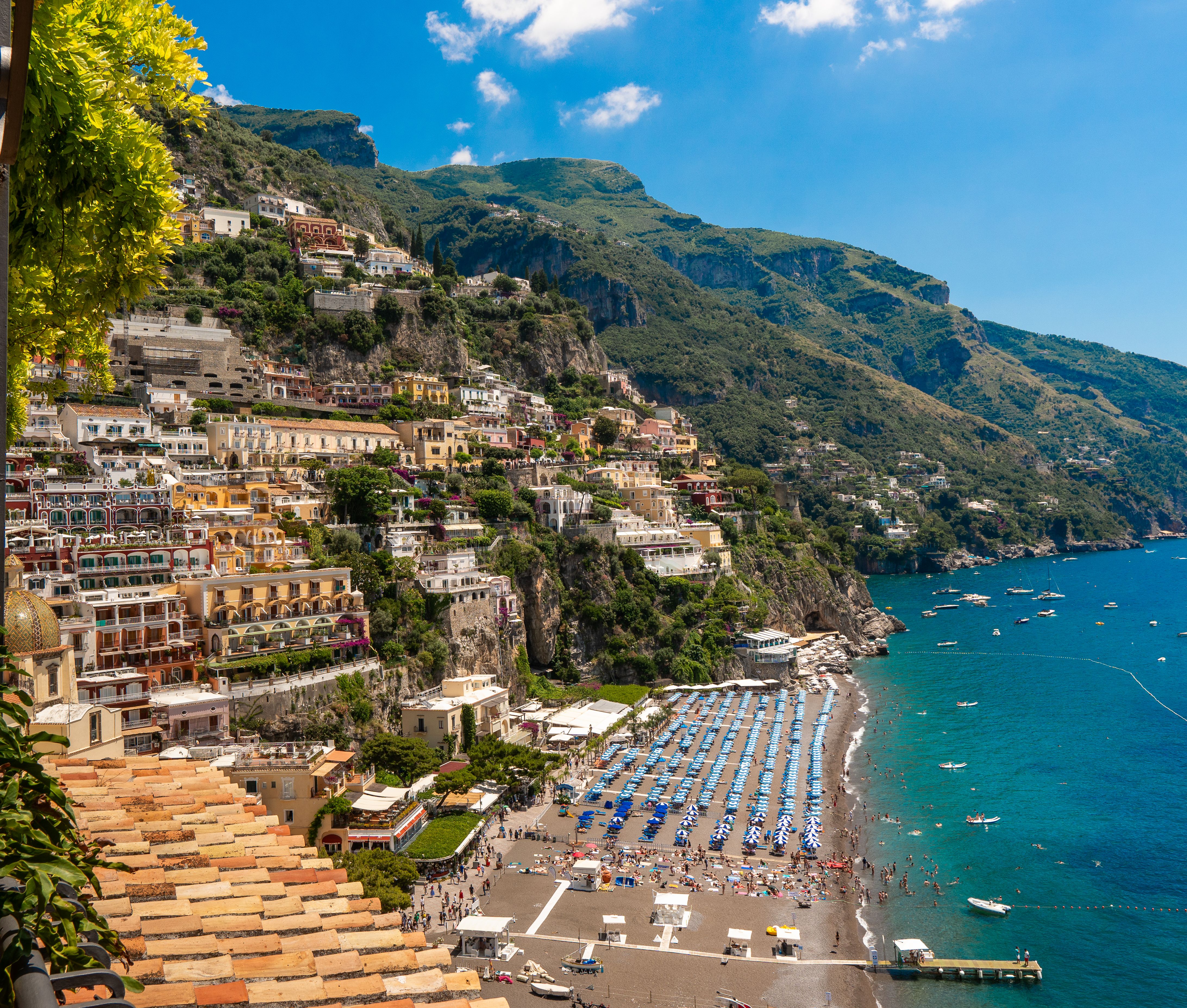
Along the Amalfi Coast, slowing down becomes essential. The region feels far more enjoyable once you stop trying to conquer it. Arrive by ferry when possible, walk in the early morning before the crowds build, retreat to shade during the hottest hours, and return to the water as the sun begins to lower.
Further south, Calabria offers a quieter kind of beauty. Smaller towns, winding coastal roads, roadside fruit stands, and beaches that feel less curated and more lived-in. It rewards travelers willing to take the longer route simply because it follows the sea.
Inland Italy and the Beauty of Everyday Life
Away from the coast, Southern Italy becomes even quieter.
In Basilicata, towns like Matera invite a slower pace entirely. Days are built around small details: cool stone churches, bread still warm from the oven, long afternoons that unfold without urgency.
In Puglia’s countryside, restored masserie—traditional farm estates—offer a different kind of luxury. Olive groves stretch beyond whitewashed walls, dinners follow the season, and mornings begin with little more than sunlight and strong coffee.
Even the roads seem designed to discourage speed. Slowness here is not inactivity. It is attention.
Food, Time, and the Long Meal
Southern Italy is often celebrated for its food, but what truly stands out is the pace surrounding it.
Meals are allowed to take time. Lunch is not rushed; dinner is not treated as an obligation. In family-run trattorias, dishes arrive when ready, conversation stretches naturally, and evenings unfold slowly around the table.
The best approach is often the simplest: order what the region does well. Orecchiette in Puglia, fresh seafood along the Campanian coast, bergamot desserts and chili-laced dishes in Calabria. Repetition becomes part of the pleasure.
Evenings begin gradually—an aperitivo, a short walk through town, the sound of streets slowly filling again after sunset.
How to Travel Southern Italy More Intentionally
Slow travel still benefits from structure—just not over-scheduling.
Choose fewer destinations and stay longer in each one. Combine a coastal base with an inland stay rather than constantly moving hotels. Use trains for major routes, then rent a car once the countryside begins to matter.
Travel during late spring or early autumn when the weather remains warm but the crowds begin to thin. Build each day around one or two meaningful plans, then leave room for everything else to happen naturally.
Southern Italy fills empty space surprisingly well: a festival stumbled upon by accident, a hidden beach discovered without planning, a sunset watched from a quiet piazza while gelato melts too quickly in your hand.
Presence Over Pace
Southern Italy does not reward intensity. It rewards presence. Move less. Notice more. Stay long enough for a place to begin feeling familiar. The art of slow travel is not about seeing everything - it is about allowing what you do see to fully settle.