The Art of Traveling in the In-Between
There is a particular intelligence to arriving just before the world swells—or staying on after it releases its grip. The argument for shoulder season travel is not only quieter streets and gentler prices, though both often follow.
More precisely, it is about atmosphere—a destination held in sharper relief, with space for smaller gestures: a café table kept a moment longer, a museum gallery that reads like a private room, a coastline where the wind sounds unedited.
The Shift Between Seasons
In the weeks that bracket peak season, places move differently. Hotels feel less staged, more human. Restaurants settle into their own cadence. Guides speak less to a crowd and more to you.
Even the light recalibrates the story—spring arriving with clean, lifted clarity; early autumn turning warmer, more forgiving, as if the day has time to spare.
Reading the Calendar, Not the Headline
Planning is what makes this kind of travel feel unforced. Start with the calendar, not the headline season—trace the fine seams between school holidays, major festivals, and local long weekends.
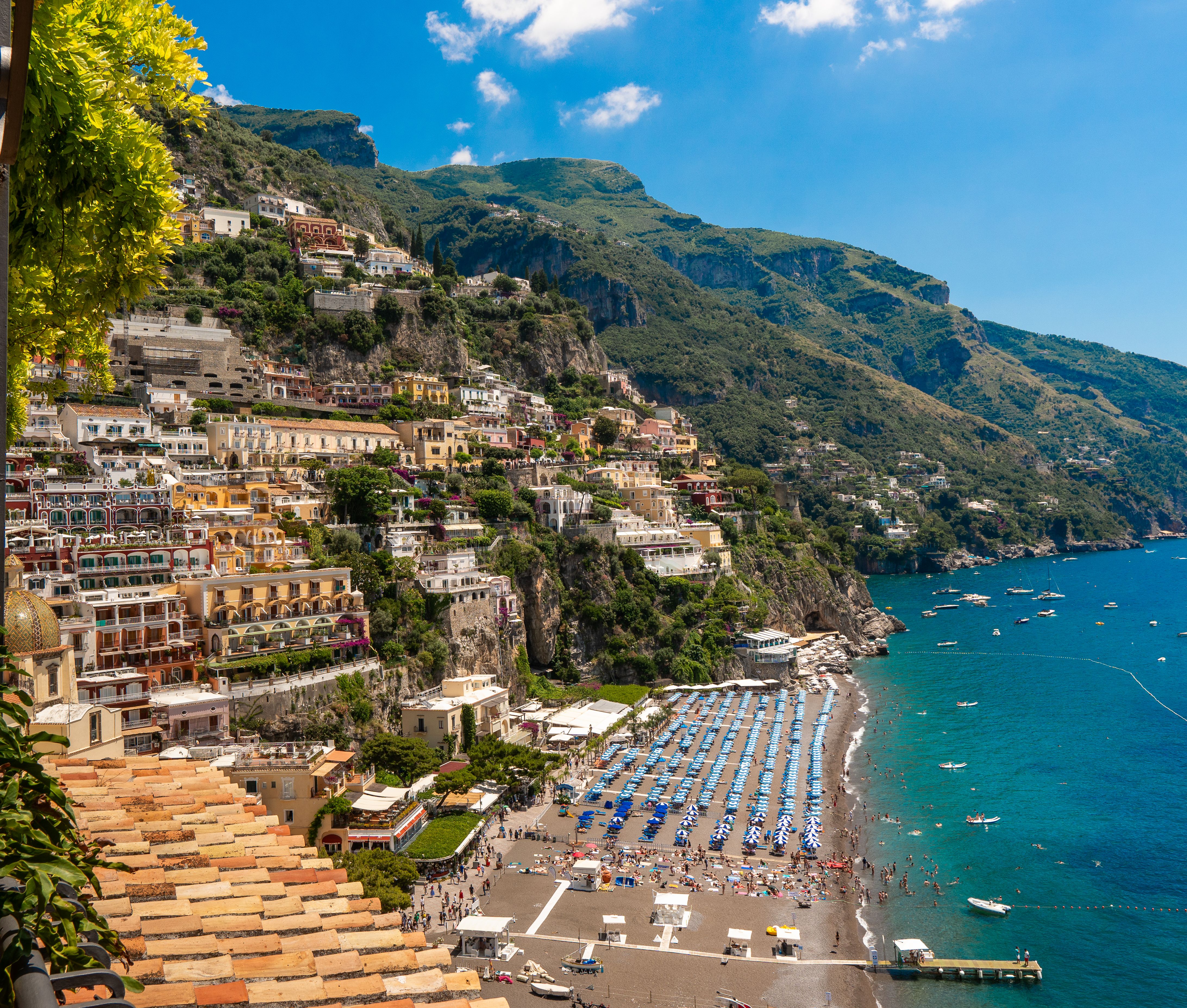
In the Mediterranean, late May and the first half of June can bring sea-ready days before the density arrives; September through mid-October often holds the most composed weather, the water still keeping its warmth.
In the Alps, the weeks between winter and summer carry their own hush—meadows opening, trails returning, villages built for extremes easing into a softer pace.
In cities, shoulder season is often when culture feels most available: exhibitions without queues, reservations made with intention rather than urgency.
Planning for the Margins
Pack—and plan—for the margins. Shoulder season is the art of layering: linen and a light knit, a coat that can take an evening breeze, shoes that don’t argue with rain.
Build days with flexibility, leaving room for a weather turn or an unplanned detour. Choose hotels with a sense of containment—a spa, a firelit bar, a restaurant worth staying in for—so the experience remains complete even when the sky changes its mind.
If you’re boating, hiking, or driving coastal routes, ask the practical questions early: which crossings are running, which roads are open, which beaches are serviced, which terraces are still setting their tables for the season.
Letting the Trip Breathe
Then let the trip breathe. Shoulder season rewards a slower tempo—late lunches, longer walks, the luxury of returning to the same place twice.
It is less about collecting proof and more about inhabiting a mood. You arrive when a destination is still itself, unhurried by performance—and you leave with the sense you encountered it in a truer light.
When We Recommend Shoulder Season Travel
While every destination follows its own rhythm, these are some of the windows we most often recommend:
Europe: Late April–June and September–October
Caribbean: May–June and November–early December

Japan: Late spring and late autumn
Southern Africa: Varies by safari region and migration timing
Cities worldwide: The weeks immediately before and after peak tourism periods